Crafting Perfect Bespoke Produce Boxes: A Progressive Walkthrough
Designing specialized fruit and vegetable boxes calls for a strategic method. Specialists must assess sustainability, functionality, and visual appeal. Selecting the right components is crucial for maintaining freshness and advancing environmentally conscious practices. Additionally, dimensions and shape can significantly affect usability and transport efficiency. Impactful graphics enhance company identity, while detailed assessment ensures strength. Understanding these elements will reveal vital understanding into producing standout packaging strategies that resonate to consumers. What follows is fundamental to reaching those goals.
Selecting the Appropriate Supplies for Custom Produce Boxes
When selecting materials for custom produce boxes, it see now is essential to assess both operational performance and environmental impact. The choice of material considerably affects the box's durability, weight, and ability to protect the contents. Common materials include corrugated cardboard, which provides strength and is recyclable, making it a preferred choice for eco-conscious businesses. Decomposable options, such as molded pulp or plant-based plastics, also support eco-friendly practices while offering sufficient protection for delicate produce.
Moreover, dampness protection is indispensable for maintaining freshness, causing some producers to investigate enhanced substances or specialized coatings. The visual charm of the box cannot be dismissed, since brand positioning and graphical elements can determine consumer perception. Ultimately, the best option should equilibrate between maintaining product integrity, engaging consumers, and adhering to environmental standards, ensuring both functionality and sustainability are prioritized within the development procedure.
How to Determine Size and Shape for Functionality?
When choosing the dimensions and form of custom produce boxes, careful assessment of produce dimensions is crucial for effective storage. Additionally, attention to handling and transport can affect the box design, guaranteeing ease of movement. Maximizing storage space utilization further improves functionality, allowing for efficient display and storage.
Examine Produce Dimensions Thoroughly
Assessing the suitable size and shape for vegetable boxes is essential for functionality and efficiency. Thorough measurement of produce dimensions is critical, as it guarantees that goods fit snugly without surplus room that could produce damage during storage or transport. Bespoke boxes need to support assorted configurations, from soft-skinned fruits to bulky vegetables, while sustaining durability. Furthermore, the height and width of the boxes should facilitate organized stacking and inventory management, making full use of space in storage areas. A expertly built box not only shields the produce but also enhances consumer attraction for consumers. To sum up, measured analysis of dimensions assists in reducing waste and improving buyer experience in the product supply chain.
Consider the Management of Handling and Transport
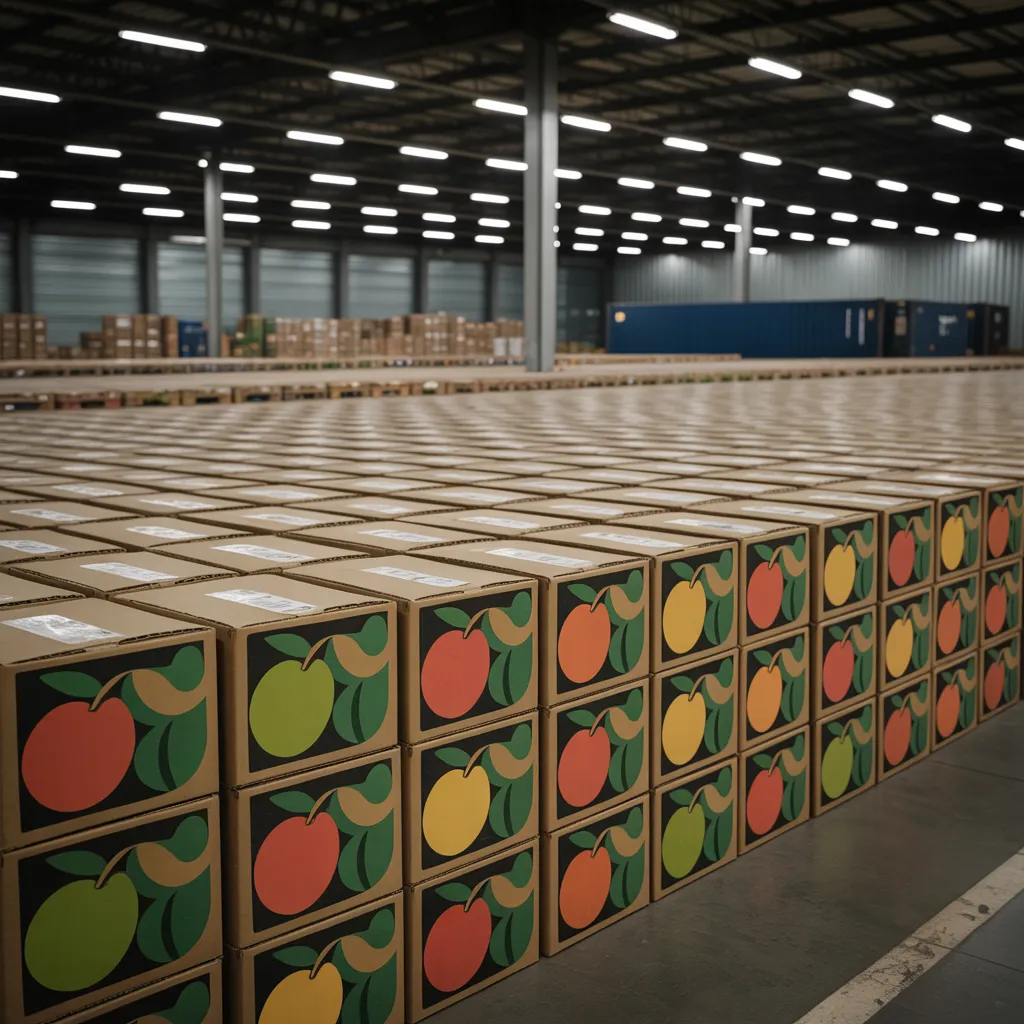
Shipping and handling considerations play a significant role in determining the proper size and shape of custom produce boxes. The dimensions must hold the produce without surplus space, which could result in shifting and damage throughout transit. Smaller, compact boxes facilitate simpler handling, while bigger containers may be needed for larger items. Additionally, proper design is vital; grips or access points should be strategically positioned to allow for pleasant raising and carrying. The shape of the container also affects stacking and stability, making sure that products remain safe. Ultimately, careful consideration of these aspects enhances the productivity of delivery, cuts down product waste, and supports the overall integrity of the produce starting farm to end user.
Optimize Shelf Space Utilization
Effective shelf space usage is based on establishing the fitting size and shape of custom storage containers. Specialists should take into account the layout specifications of the shelving units as well as the sorts of produce being held. Rectangular boxes often solidify space efficiency, allowing for smoother stacking and alignment. By contrast, nonstandard shapes can heighten visual appeal but may lead towards unutilized gaps if not thoroughly considered.
It's important to examine the inventory turnover rate; quick-moving products might gain from compact, readily accessible boxes. Moreover, utilizing flexible or customizable designs can facilitate multiple sizes of produce while refining shelf arrangement. By stressing practical design with visual appeal, organizations can establish a practical and eye-catching presentation that improves both accessibility and visibility of goods.
How to Design Graphics That Grab Attention?
Compelling graphics can reshape a plain custom produce box into a visual masterpiece that attracts attention. To achieve this, visual artists should start by picking a color combination that reflects the freshness and vibrancy of the produce. Luminous, captivating colors can awaken feelings of freshness and wellbeing, compelling consumers to take a further look.
Strong typefaces remains crucial; readable typefaces can adeptly convey essential information while amplifying design value. Furthermore, applying excellent images of the produce can create an immediate connection, showcasing the item's worth and enticing potential buyers.
Furthermore, introducing distinctive visual elements and patterns can help differentiate the brand in a crowded market. Consistency in design elements, such as logos and taglines, reinforces brand identity. Ultimately, a fusion of creativity and clarity in graphic design can greatly elevate the impact of custom produce boxes, making them stand out on shelves.
Eco-Friendly Practices for Custom Produce Box Packaging
An rising quantity of companies are adopting environmentally sustainable practices for custom produce box packaging, recognizing its significance in today's eco-aware market. These practices often encompass the use of biodegradable materials, such as recycled paper and plant-based plastics, which reduce environmental impact. Companies are also concentrating on sustainable sourcing, ensuring that materials are obtained from responsibly managed forests or suppliers who prioritize environmental stewardship.
Furthermore, numerous brands are opting for minimalist styles that minimize waste while still efficiently promoting their products. This approach not only resonates with eco-aware consumers but also helps in lowering production costs. Moreover, businesses are increasingly applying effective manufacturing processes that limit energy consumption and waste generation. By integrating these eco-friendly practices, companies not only enhance their brand image but also contribute positively to the planet, aligning their operations with a sustainable future.
Evaluate Your Custom Produce Box Format
Testing the construction of bespoke vegetable packaging is an important step in assuring they meet both aesthetic and functional requirements. This process usually encompasses studying factors such as robustness, capacity, and practical use. First, working models need to be developed to inspect the package's overall soundness, making sure it is able to handle transportation and storage without affecting the contents.
Afterwards, usability reviews can be undertaken to ascertain how without difficulty the boxes can be accessed, latched, and nested. Feedback from intended users can be crucial in this juncture, presenting perspectives into the box's practicality.
Furthermore, the design's visual appeal should be evaluated through focus groups or surveys, gauging consumer reactions to branding elements, colors, and general appearance.
In the end, thorough evaluation allows designers to refine the box, guaranteeing it not only appeals to customers but also adequately safeguards and displays the produce within, achieving the right equilibrium between form and function.
Promoting Your Custom Produce Boxes Effectively
Impactful marketing of personalized vegetable containers requires a well-planned strategy that highlights their distinctive advantages and value. Businesses must concentrate on pinpointing their target audience, such as local farms, grocery stores, or individual consumers. Utilizing social networking sites can enhance market visibility, showcasing the boxes' design and practicality through engaging visuals and storytelling.
In addition, aligning with regional personalities and growers can reinforce authenticity and increase visibility. Rolling out promotions or discounts during seasonal peaks can appeal to debut customers and motivate repeat business.
Furthermore, emphasizing sustainability and eco-friendliness in promotional messaging can appeal to sustainability-focused buyers. Communicating detailed information about the materials used and the benefits of custom packaging can further set apart the brand in a competitive market.
In the end, a detailed marketing strategy that blends internet-based and community-based undertakings will effectively market custom produce boxes, appealing to a diverse clientele and driving sales.
Common Inquiries Posed Regularly
What Costs are Involved in Custom Produce Box Design?
Costs associated with custom produce box design include materials, printing, labor, and shipping. Additionally, design services and production minimums can affect overall expenses, resulting in varying pricing based on specific requirements and production scale.
How long Does It Take to Create Custom Boxes?
The manufacturing of custom boxes generally requires anywhere from two to six weeks. Factors affecting this schedule consist of design complexity, availability of materials, and production capacity, all of which can affect delivery schedules and turnaround periods.
Can I Purchase a Small Amount of Personalized Produce Boxes?
Yes, modest amounts of tailored vegetable containers can generally be ordered. Many vendors provide minimum order quantities, enabling companies or people to acquire tailored packaging solutions without needing to commit to large amounts initially.
What Frequent Blunders Must Be Prevented in Custom Box Creation?
Common mistakes in custom box creation feature neglecting functionality, disregarding brand consistency, downplaying material quality, overlooking target audience preferences, and overlooking environmental impact. Each aspect is critical for effective packaging and customer satisfaction.
How Do I Confirm That My Boxes Are Safe for Food?
To guarantee boxes are food-safe, one must select materials certified for food contact, prevent harmful inks and adhesives, maintain cleanliness during production, and frequently check for compliance with health regulations and safety standards.